GPT Image 2 vs Midjourney: Which Is Better for Your Use Case?
GPT Image 2 and Midjourney take opposite approaches to image generation. We compare them on output quality, editing, text, pricing, and workflow fit.
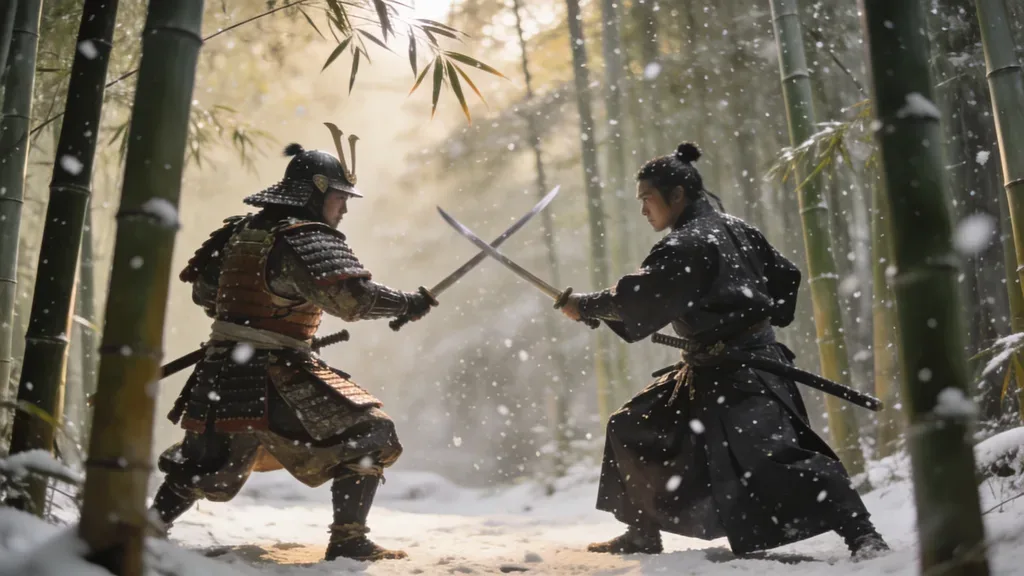
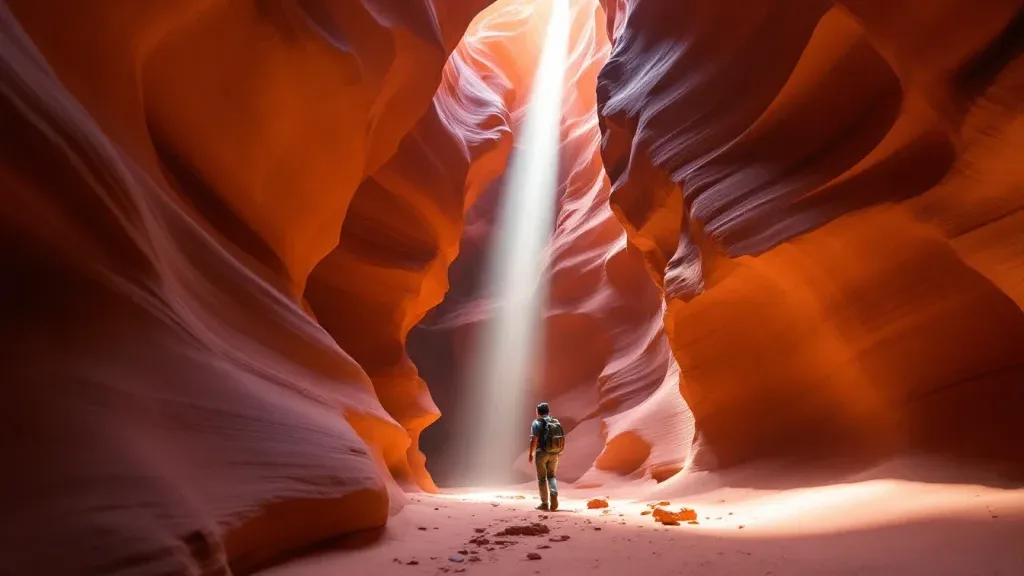
Midjourney is the reigning favorite for aesthetic image generation. GPT Image 2 is OpenAI's new flagship, optimized for instruction-following and editing. They're not the same tool — here's how to choose.
This comparison is about art direction versus literal production control. For the OpenAI upgrade path see GPT Image 2 vs DALL·E 3; for API throughput and open-model options see GPT Image 2 vs Flux.
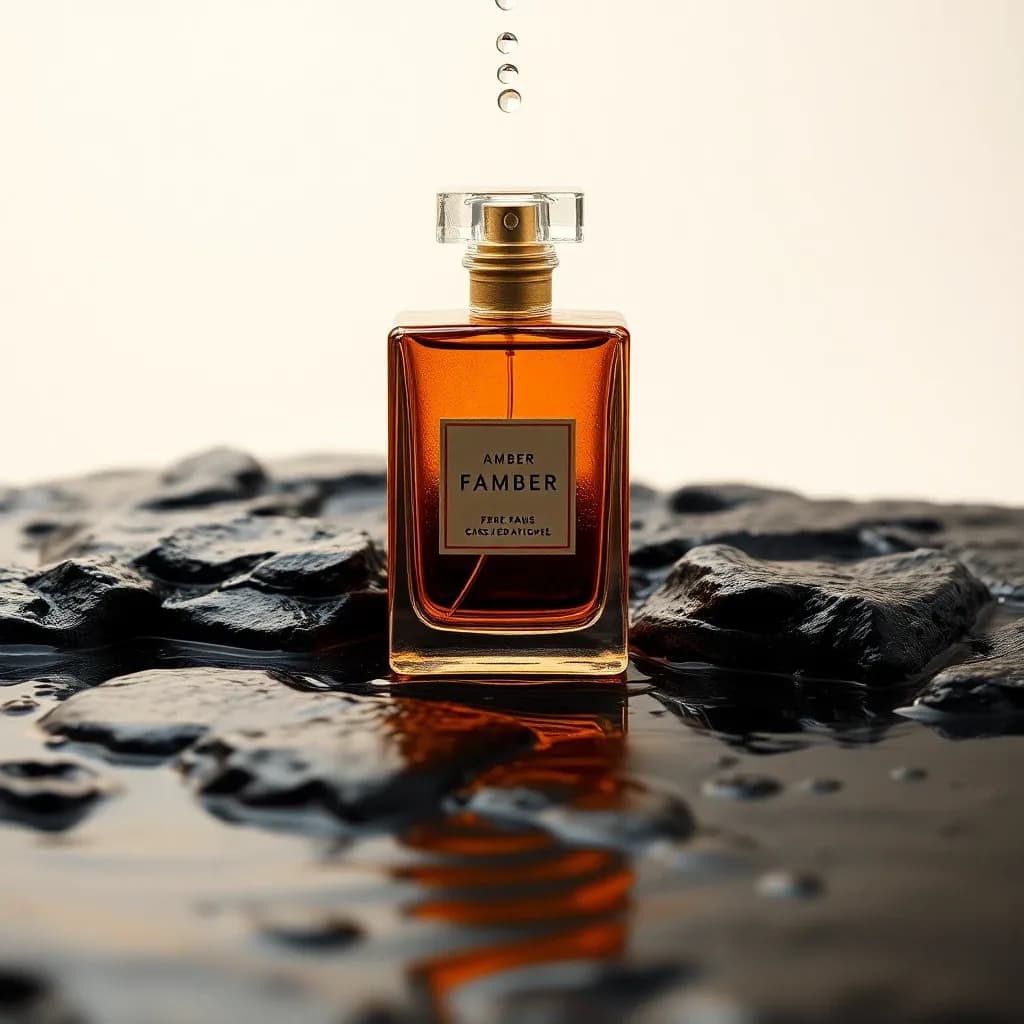
Quick comparison
| Dimension | GPT Image 2 | Midjourney v7 |
|---|---|---|
| Aesthetic quality (cinematic hero shots) | Very good | Best-in-class |
| Text rendering | Best-in-class | Trailed significantly in our April 2026 comparisons |
| Edit existing images | Surgical, preserves the scene | Limited; remix often reinterprets |
| Multi-image composition | Native, up to 10 refs | Image prompting only (1–2 refs) |
| Character consistency | Strong | Improved in v7 but weaker |
| Instruction following | Literal | Interpretive / stylized |
| Access | API, Replicate, Lovino | Discord + web (no public API) |
| Commercial rights | Yours to use, per OpenAI's terms | On paid plans, per Midjourney's terms |
Where Midjourney wins
Pure aesthetic quality. For moody cinematic shots, fashion editorial, concept art, and anything where "beautiful" matters more than "accurate," Midjourney still produces the best-looking output of any model on the market. Its in-house aesthetic bias is a feature, not a bug — if you want images that look hand-picked by an art director, Midjourney gets there with less prompt engineering. You can push other models toward that look by spelling out the mood. This one is Nano Banana Pro on Lovino, with its exact prompt:
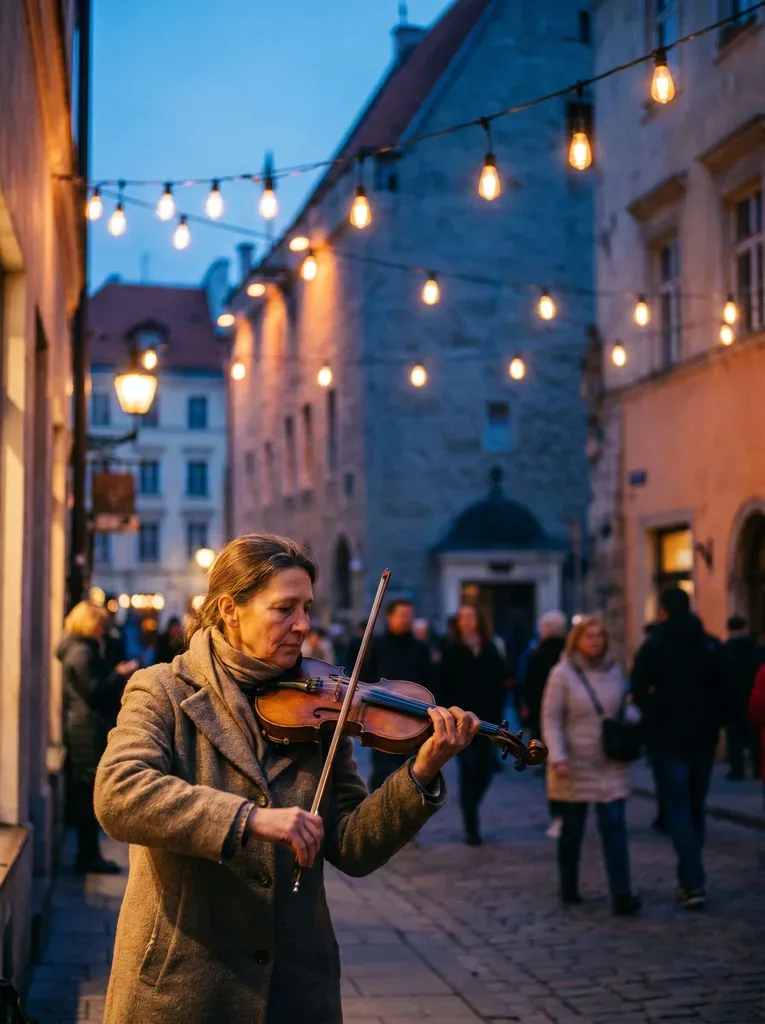
Prompt used: "Street violinist under warm string lights in an old-town square at blue hour, cinematic warm-neutral color grade, soft directional key light, 35mm lens, shallow depth of field, natural skin tones, subtle film grain" — generated with Nano Banana Pro on Lovino.
Community and preset ecosystem. Midjourney's community prompts and style references are a genuine moat. Fast iteration on "what does this style look like" is easier there than anywhere else.
Where GPT Image 2 wins
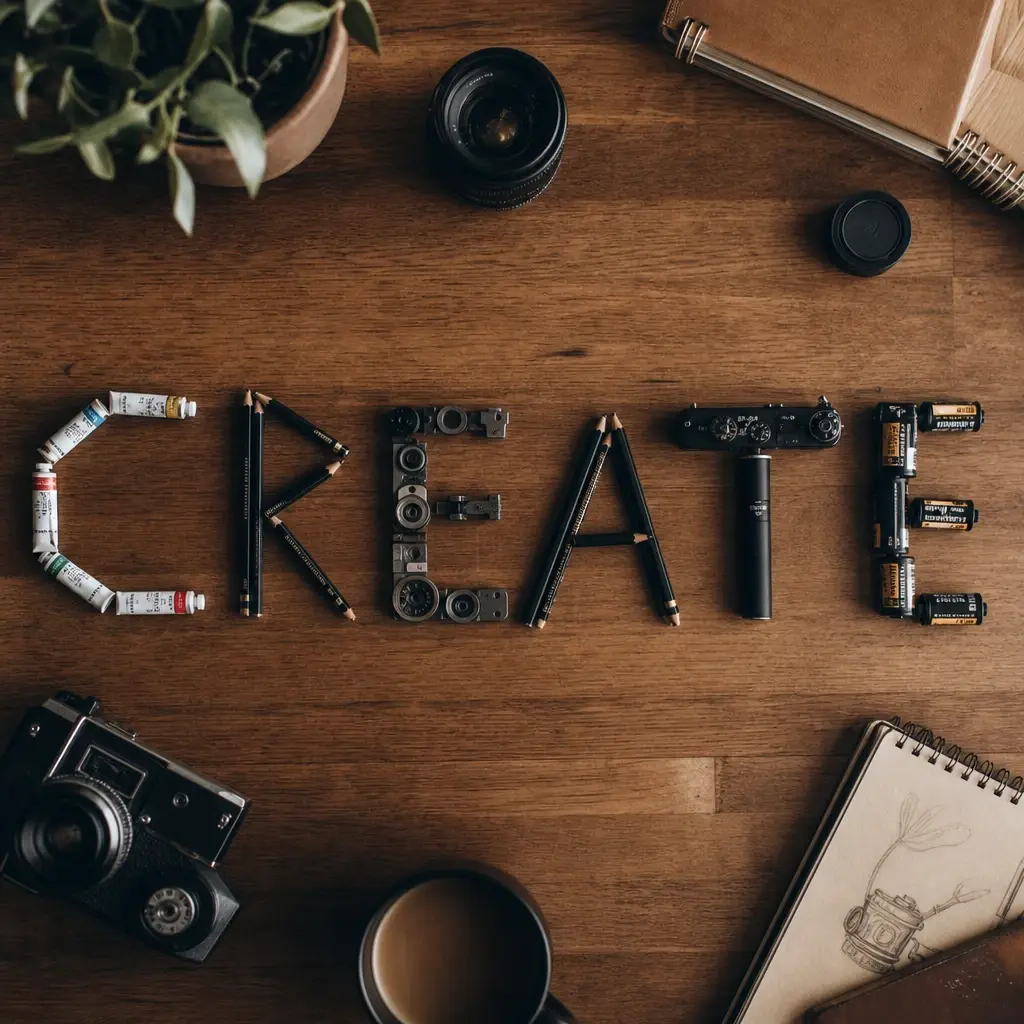
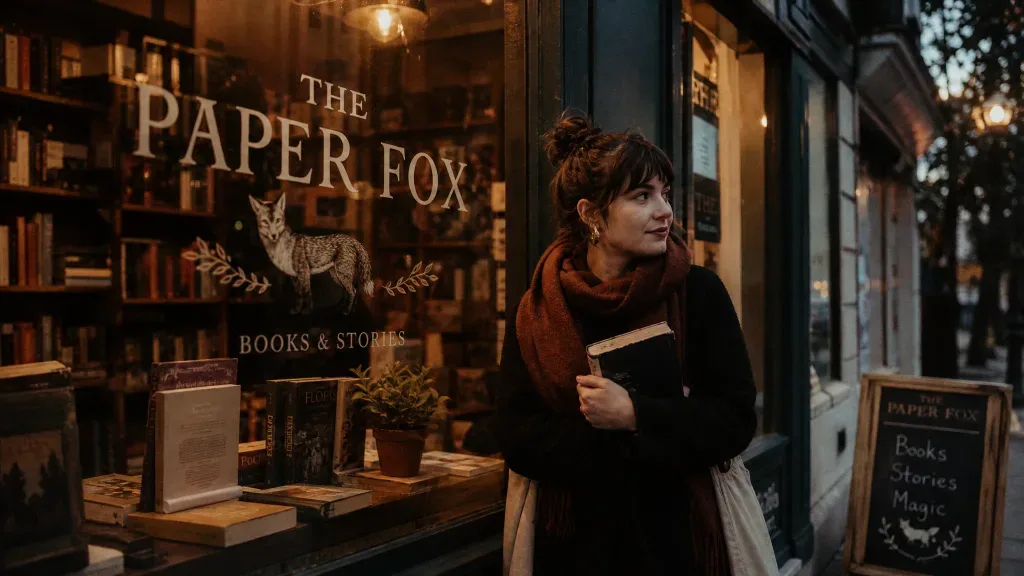
Text inside images. This is not close. In our April 2026 comparisons, Midjourney trailed significantly on text accuracy; GPT Image 2 renders dense text, small lettering, and complex layouts correctly on the first try. Infographics, posters with copy, UI mockups, and marketing materials with real words in them — GPT Image 2 every time. Two GPT Image 2 outputs from Lovino, with the exact prompts:
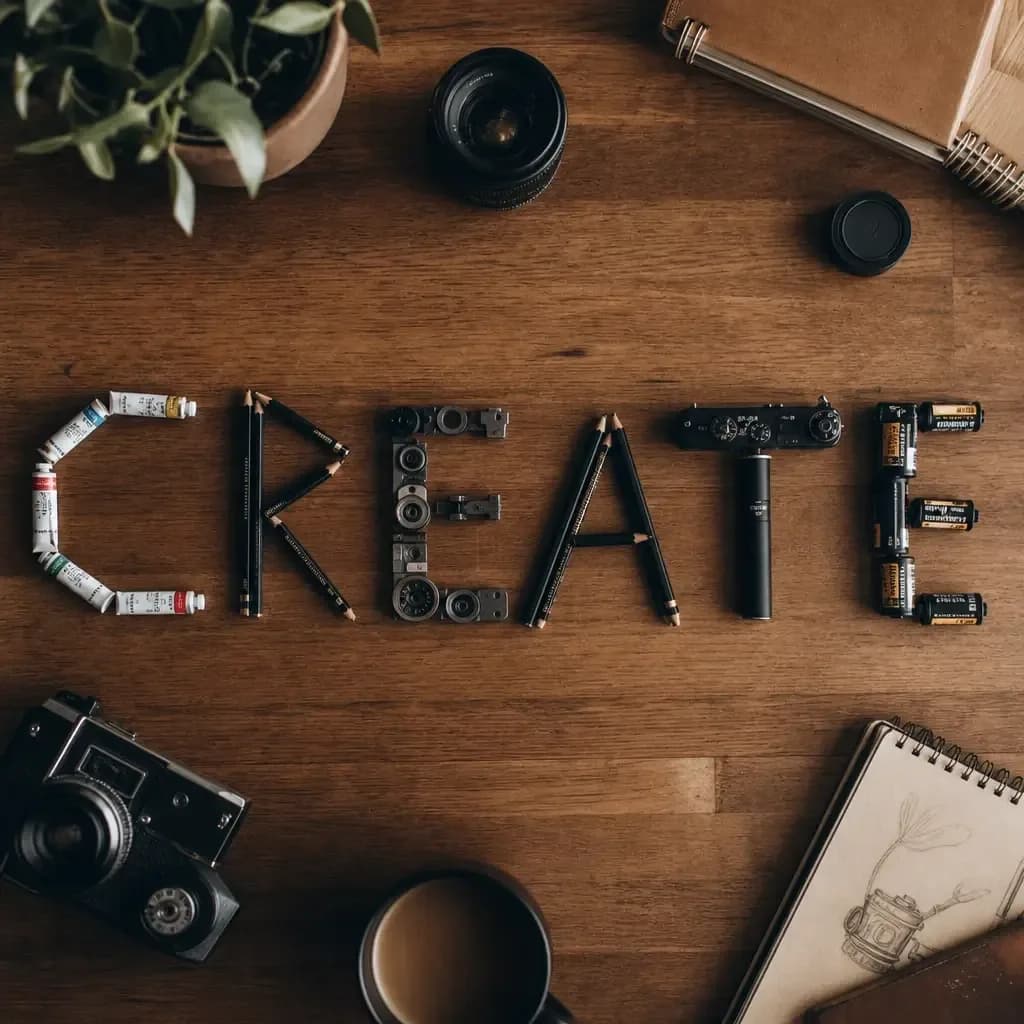
Prompt used: "A wooden desk flat-lay that spells the word CREATE using arranged pencils, paint tubes and camera parts, top-down, cinematic warm-neutral color grade, soft directional key light, 35mm lens, shallow depth of field, natural skin tones, subtle film grain" — generated with GPT Image 2 on Lovino.
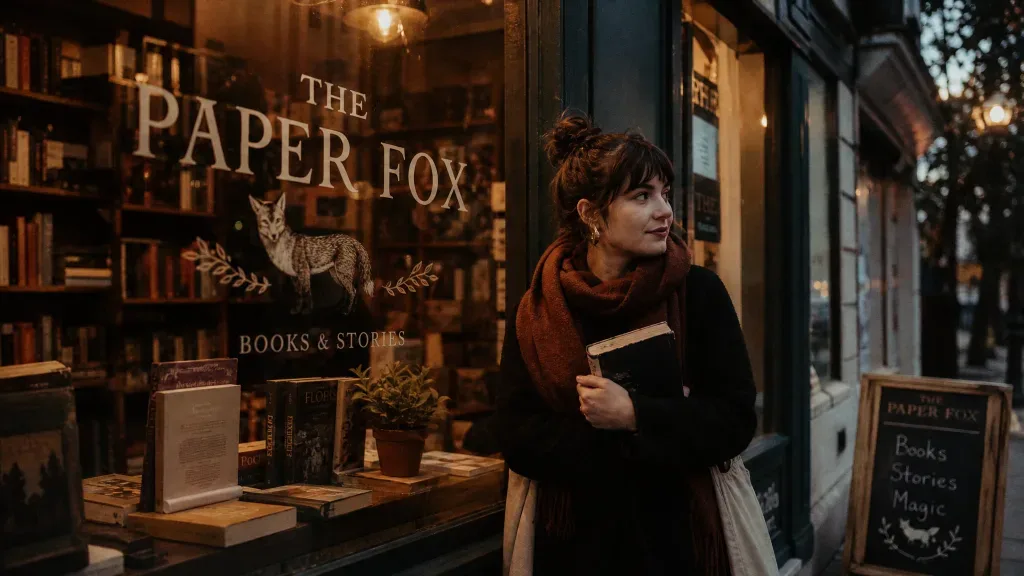
Prompt used: "Cozy bookshop storefront at dusk with the sign 'THE PAPER FOX' painted on the window, warm light inside, cinematic warm-neutral color grade, soft directional key light, 35mm lens, shallow depth of field, natural skin tones, subtle film grain" — generated with GPT Image 2 on Lovino.
Editing. Midjourney's "remix" and "vary region" features are a remix, not an edit. Ask to change one element and the rest of the image shifts subtly. GPT Image 2 genuinely edits — ask it to change the hat and the face stays identical.
Production workflows. GPT Image 2 has a real API, accepts up to 10 reference images, and integrates cleanly into automated pipelines. Midjourney is Discord-first with an experimental web UI and no stable API, which makes it a bottleneck for anything beyond one-off creative exploration.
Instruction following. GPT Image 2 does what you ask. Midjourney does what it thinks would look cool. Both are useful — they just suit different jobs.
Which should you pick?
- Marketing materials with text: GPT Image 2.
- Editing existing photos: GPT Image 2.
- Product composites or character consistency: GPT Image 2.
- Mood boards, concept art, cinematic hero shots: Midjourney.
- Anything you need via API: GPT Image 2 (or Flux via Replicate).
- Best pure aesthetic output when prompt detail is flexible: Midjourney.
Want more options than these two? See Midjourney alternatives for non-designers and the state of AI image generation in 2026.
Can you use both?
Yes, and many pros do. Midjourney for ideation and visual exploration; GPT Image 2 for the final production pass where text, editing precision, and character consistency matter. Lovino carries GPT Image 2 (low quality is free; medium and high quality need a Pro plan) alongside FLUX, Imagen 4 and 50 image and video models in total, so you're not locked into one provider.
Prices and feature comparisons in this post reflect Midjourney v7 and GPT Image 2 as of April 2026. Both products evolve rapidly — check the official Midjourney and OpenAI pages for current rates and capabilities.
Try GPT Image 2 on Lovino — open the tool page or jump into the studio.
Questions, answered.
Is GPT Image 2 as good as Midjourney for artistic images?
Very close, but Midjourney still has a slight edge on pure aesthetic output — its baked-in style bias produces more polished-looking images with less prompt engineering. For photorealism, editing, and text, GPT Image 2 is clearly better.
Can I get Midjourney-style output from GPT Image 2?
Partially. Describe the aesthetic explicitly ("cinematic, shallow depth of field, warm golden hour light, shot on 50mm lens, editorial magazine style") and GPT Image 2 will get close. You won't quite match Midjourney's signature look without that prompting effort.
Does Midjourney have an API in 2026?
Midjourney still has no official public API as of 2026. All interaction is through Discord or the web UI, which makes automation difficult. GPT Image 2 has a full API via OpenAI, Replicate, or platforms like Lovino that bundle access.