What Is Flux? The AI Model Behind the Best Image Generators
Flux is the AI image model powering the most photorealistic generators in 2026. Here's what it is, how it works, and why it's industry-leading.

If you've been generating AI images in 2026, you've almost certainly used Flux — whether you knew it or not. Flux is the AI image generation model developed by Black Forest Labs, and it's established itself as the industry standard for photorealistic image generation. Understanding what Flux is and why it's different helps you generate better images and choose the right tools for your work.
What Is Flux?
Flux is a family of AI image generation models developed by Black Forest Labs (BFL), a Munich-based AI research company co-founded by former Stability AI researchers — including Robin Rombach, a key developer of Stable Diffusion who co-founded Black Forest Labs after leaving Stability AI.
Flux was released in August 2024 and rapidly became the preferred model for photorealistic generation among AI practitioners and platforms. As of 2026, it powers image generation in multiple major AI platforms including Lovino.ai.
The Flux Model Family
Flux comes in several variants optimized for different use cases:
Flux Pro: The highest-quality model, optimized for maximum photorealism and detail. Used for professional-grade image generation where output quality is the top priority. Requires more computational resources and generates more slowly than other variants.
Flux Dev: A development variant with slightly reduced quality but faster generation. Used for rapid iteration and testing during creative workflows.
Flux Schnell: The "fast" variant (schnell means "fast" in German). Optimized for speed with quality tradeoffs acceptable for social media and non-critical content production. Generates images significantly faster than Flux Pro while maintaining good quality.
Flux Fine-Tunes: The open-source nature of Flux's weights (for non-commercial use) has enabled a community of fine-tuned models specialized for specific styles, subjects, and use cases.
What Makes Flux Different From Earlier Models
Photorealistic Output
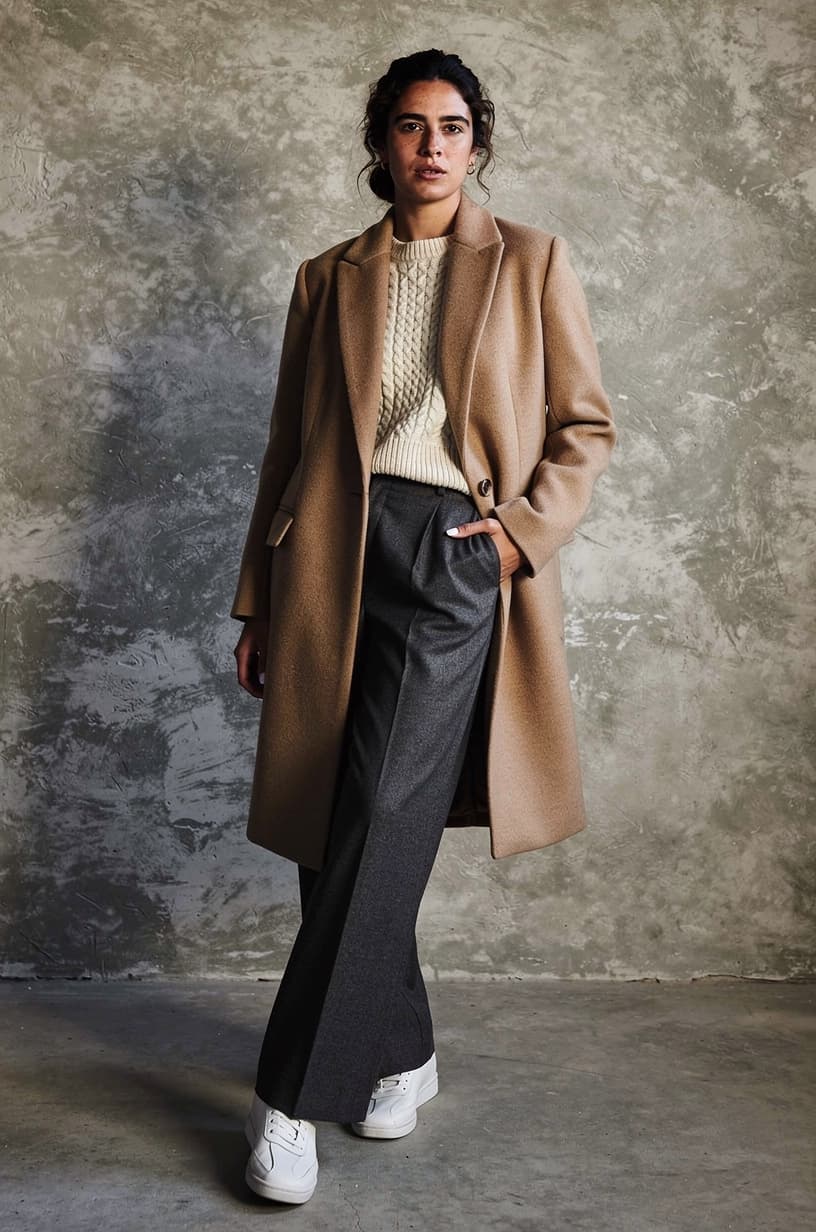
Flux's primary distinction is photorealism. Earlier leading models (Stable Diffusion XL, Midjourney) have characteristic aesthetics — slightly painterly, obviously AI-generated on close inspection. Flux generates images where photographic elements like skin texture, material rendering, accurate shadow behavior, and natural lighting are handled with dramatically higher fidelity.
At web resolution, Flux output is regularly indistinguishable from professional photography — even for experienced evaluators. This was the ceiling-breaking capability that established Flux's market position.
Text Rendering in Images
One of AI image generation's persistent weaknesses is text within images. Most models produce garbled, misspelled, or stylistically inconsistent text. Flux handles text significantly better than previous generations, though perfect text rendering remains a work in progress across all models.
Prompt Following
Flux demonstrates better prompt adherence than earlier models — generating images that more accurately reflect complex multi-element prompts. When you specify "a red umbrella in the lower left corner with a yellow street lamp on the right," Flux is more likely to actually place those elements where you described.
Architecture
Flux uses a transformer-based diffusion architecture (specifically a Diffusion Transformer or DiT), which differs from the U-Net architecture used in Stable Diffusion. The transformer architecture provides better global coherence — objects and elements relate to each other more naturally across the full image.
How Flux Is Used in Lovino
Lovino carries several Flux models alongside 50 image and video models in total. FLUX Fast and FLUX Dev run on the free daily credits, and FLUX 1.1 Pro and FLUX 2 Pro need a paid plan. The default free image model is Z-Image Turbo, and Lovino has retired FLUX Schnell, so fast requests now go to other fast models.
For a head-to-head with OpenAI's newest model, see GPT Image 2 vs Flux, and for the wider comparison, Flux vs DALL·E vs Stable Diffusion.
Flux vs. Other Models
| Model | Photorealism | Speed | Open Source | Best For |
|---|---|---|---|---|
| Flux Pro | Best | Slower | No (API only) | Professional quality output |
| DALL-E 3 | Very good | Medium | No | Text in images, ChatGPT integration |
| Midjourney | Painterly | Medium | No | Artistic, stylized output |
| Stable Diffusion XL | Good | Fast | Yes | Community fine-tunes, customization |
| Flux Schnell | Very good | Fastest | Weights available | High-volume, rapid iteration |
Staying Current With Flux
The Flux model family is actively developed. Black Forest Labs releases model updates and improvements regularly, and the performance gap between Flux and alternatives shifts with each release. For the most current model capability assessments, the AI generation community maintains active benchmarks on platforms like Reddit's r/StableDiffusion and various AI leaderboards.
Try FLUX on Lovino — free daily credits cover FLUX Fast and FLUX Dev, and FLUX Pro models need a paid plan.
Questions, answered.
What is Flux AI?
Flux is an AI image generation model developed by Black Forest Labs. It's the current industry standard for photorealistic AI image generation, used in multiple major platforms including Lovino.ai. It produces images indistinguishable from professional photography at web resolution.
What is the difference between Flux Pro and Flux Schnell?
Flux Pro is the highest-quality variant, optimized for maximum photorealism at the cost of slower generation. Flux Schnell (schnell = fast in German) is optimized for speed, producing good-quality results significantly faster. Schnell is ideal for rapid iteration; Pro is for final-quality outputs.
Who made Flux?
Flux was developed by Black Forest Labs (BFL), a Munich-based AI research company co-founded by Robin Rombach and other former Stability AI researchers who were key contributors to Stable Diffusion.
Is Flux better than Stable Diffusion?
For photorealism, Flux Pro is significantly better than Stable Diffusion XL. For open-source customization, community fine-tunes, and on-premises deployment, Stable Diffusion's ecosystem remains the more flexible option. They excel in different areas.