The AI image generation landscape has several major model families, each with distinct characteristics, strengths, and optimal use cases. Understanding the differences helps you choose the right model for your specific needs — and understand why different platforms produce different results.
| Model family | Maker | Best known for | Access |
|---|---|---|---|
| Flux | Black Forest Labs | Photorealism and prompt adherence | Open weights for some variants, API for Pro |
| Stable Diffusion (SDXL) | Stability AI | Open ecosystem, fine-tunes, local use | Open weights |
| DALL-E 3 and GPT Image | OpenAI | Conversational prompting, text in images | ChatGPT and API |
| Midjourney | Midjourney | Distinctive artistic look | Its own web app and Discord |
| Others (Imagen, Seedream, Ideogram, Recraft, Nano Banana, Grok Imagine) | Google, ByteDance, Ideogram, Recraft, xAI | Photorealism, text, illustration, editing | Several are available on Lovino |
How AI Image Generation Models Work
All modern AI image generation models share a foundational approach: they're trained on vast datasets of image-text pairs, learning statistical relationships between descriptions and visual content. During generation, they start from random noise and progressively refine it toward an image that matches the text description.
The key technical distinction among modern models is the architecture: diffusion models (the dominant approach), which iteratively refine images by gradually removing noise; and transformer-based models, which apply the same attention mechanisms that power large language models to image generation.
Most current high-quality models are diffusion models with transformer components — a hybrid approach that combines the strengths of both architectures.
Flux Models
What Flux Is
Flux is a family of image generation models developed by Black Forest Labs — the team behind the original Stable Diffusion. Released in 2024, Flux models quickly established themselves as the leading image generation models with openly available weights (under a non-commercial license for the open variants), outperforming earlier models on both image quality and prompt adherence.
Lovino carries several Flux models alongside 50 image and video models in total, including GPT Image 2, Imagen 4 and Seedream 4.5. Flux is one family among many there, not the only one.
Flux Model Variants
Flux.1 Pro: The flagship model — highest quality, best prompt adherence, most detailed outputs. Used for production-quality generation where maximum quality is required.
Flux.1 Dev: A mid-tier development model offering excellent quality with faster generation and lower computational cost than Pro. Suitable for most creative and professional applications.
Flux.1 Schnell: The fast model — optimized for speed with reduced generation steps. Produces results in seconds rather than tens of seconds. Ideal for rapid iteration and exploration.
Flux.1 Ultra / Flux 1.1 Pro Ultra: High-resolution variants optimized for large-format generation.
Flux Strengths
Flux models excel at several capabilities that previous models struggled with:
- Text rendering in images — Flux can generate readable text within images more accurately than earlier models
- Photorealistic human faces and anatomy — significantly improved face quality
- Complex scene composition with multiple subjects
- Faithful following of detailed, complex prompts
- Consistent style across multiple generations
Flux Weaknesses
No model is perfect. Flux's limitations:
- Higher computational requirements mean slower generation and higher cost than older models
- Still struggles with hands and complex anatomy (improved but not solved)
- Very long prompts can cause some elements to be ignored
Stable Diffusion (SD 1.x, 2.x, SDXL)
Stable Diffusion, developed by Stability AI, was the model that democratized open-source AI image generation when it launched in 2022. It remains widely used despite being superseded by Flux in raw quality.
SD 1.4 / 1.5: The original versions that launched the open-source image generation movement. Still widely used for specialized applications and fine-tuned model variants (LoRAs). Lower quality than modern models but with an enormous ecosystem of extensions and fine-tuned variants.
SDXL: The major architecture upgrade released in 2023. Significantly improved quality, better prompt following, and higher default resolution than SD 1.x. Still used for applications that benefit from its specific fine-tuning ecosystem.
SD 3: Stability AI's latest generation, released 2024 — competitive with Flux in quality though the community has generally preferred Flux for open-source applications.
DALL-E (OpenAI)
DALL-E is OpenAI's image generation model family. DALL-E 3, integrated into ChatGPT, gives non-technical users accessible image generation through conversational prompting — though OpenAI's newer GPT Image 2 has since succeeded it for production workflows (as of this writing).
DALL-E 3 strengths:
- Excellent prompt adherence — follows instructions very literally and completely
- Strong performance on conceptual and abstract requests
- Good at incorporating text into images
- Safety filters that prevent harmful content generation
DALL-E 3 weaknesses:
- Closed API, only available through OpenAI services
- More restrictive content policies than open-source alternatives
- Higher cost per generation than self-hosted alternatives
- Less photorealistic than Flux for portrait and photography applications
Midjourney
Midjourney is a proprietary model, accessible through its own web app and Discord, that has developed a devoted community around its distinctive aesthetic. Midjourney excels at artistic, painterly, and conceptual imagery rather than photorealism.
Midjourney strengths:
- Strong inherent aesthetic quality — images tend to look beautiful even without careful prompting
- Excellent for concept art, fantasy illustration, and artistic imagery
- Active community with extensive prompt-sharing and learning resources
- Recent versions (as of this writing) show improved photorealism while maintaining aesthetic strength
Midjourney weaknesses:
- Workflow lives in its own web app and Discord rather than integrating directly into external tools
- Higher cost for unlimited generation
- Less direct prompt control than Flux — Midjourney applies its own aesthetic interpretation
- No official API for programmatic integration (as of this writing)
A Look at Real Outputs
Different models have different looks. Here is one output from each of five models on Lovino, with the exact prompt. The prompts differ, so this shows style and range rather than a head-to-head.
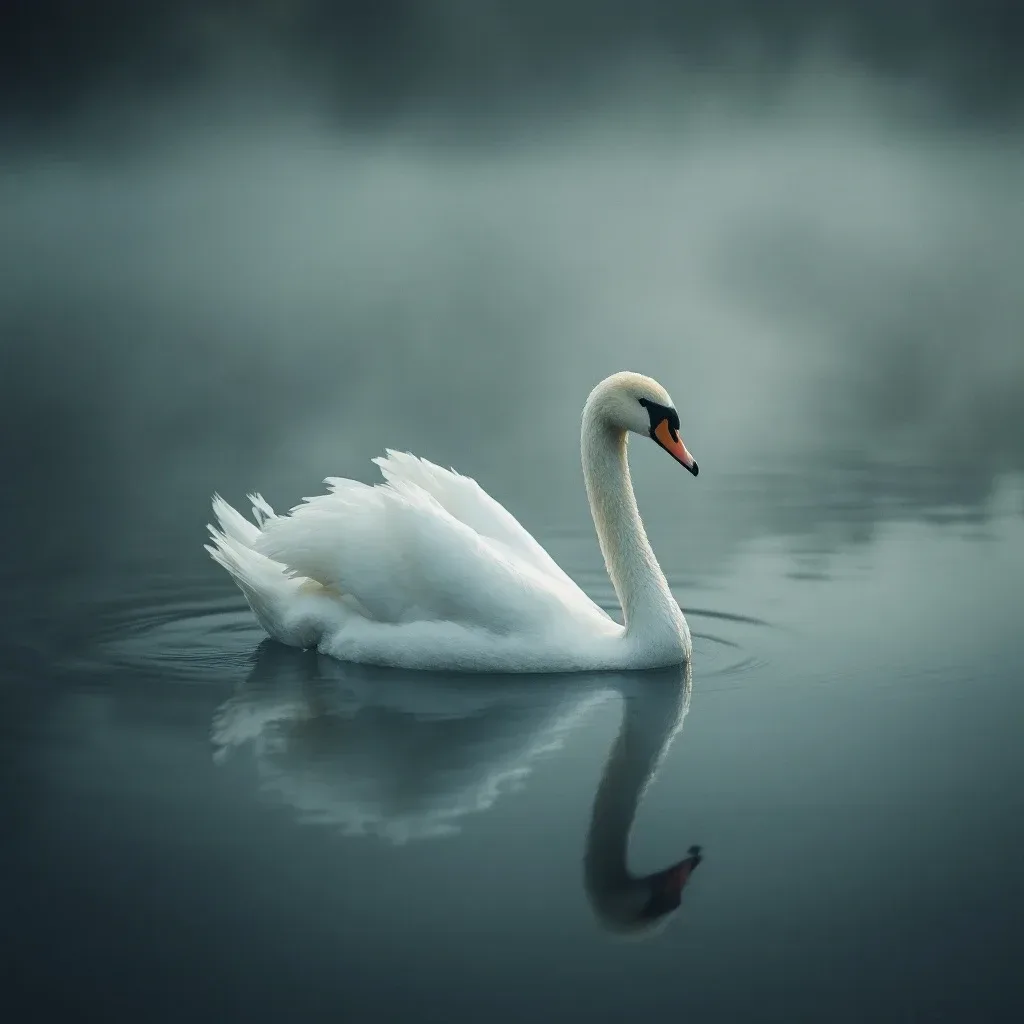
Prompt used: "White swan gliding through morning mist on a black-water lake, minimal composition, cinematic warm-neutral color grade, soft directional key light, 35mm lens, shallow depth of field, natural skin tones, subtle film grain" — generated with FLUX 1.1 Pro on Lovino.
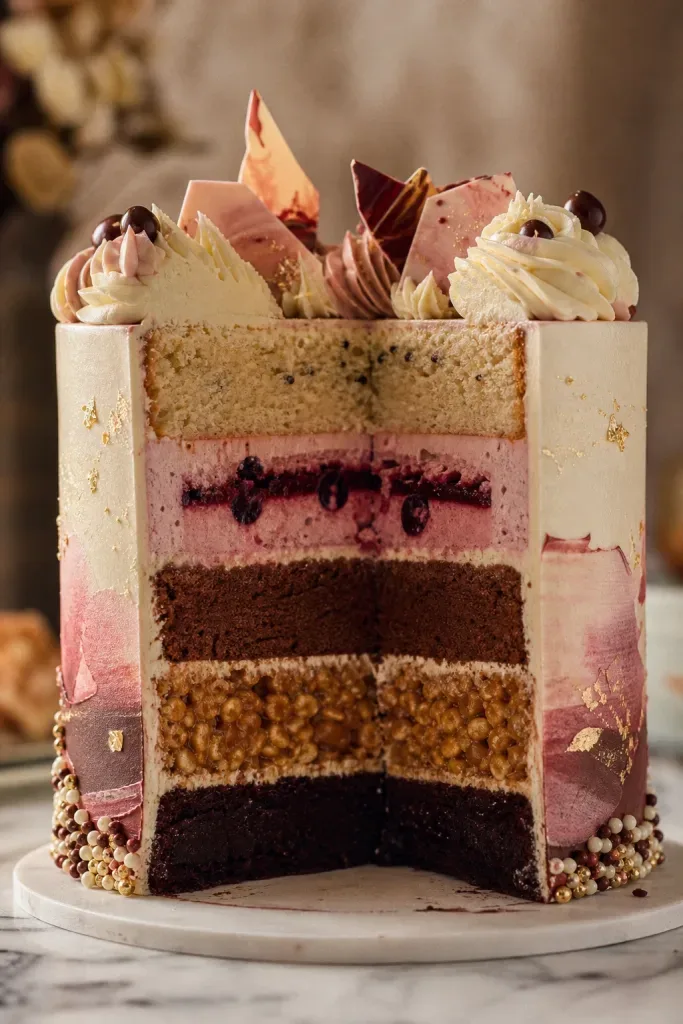
Prompt used: "Cross-section of an elaborate five-layer celebration cake, each layer a different texture, patisserie studio shot, cinematic warm-neutral color grade, soft directional key light, 35mm lens, shallow depth of field, natural skin tones, subtle film grain" — generated with GPT Image 2 on Lovino.
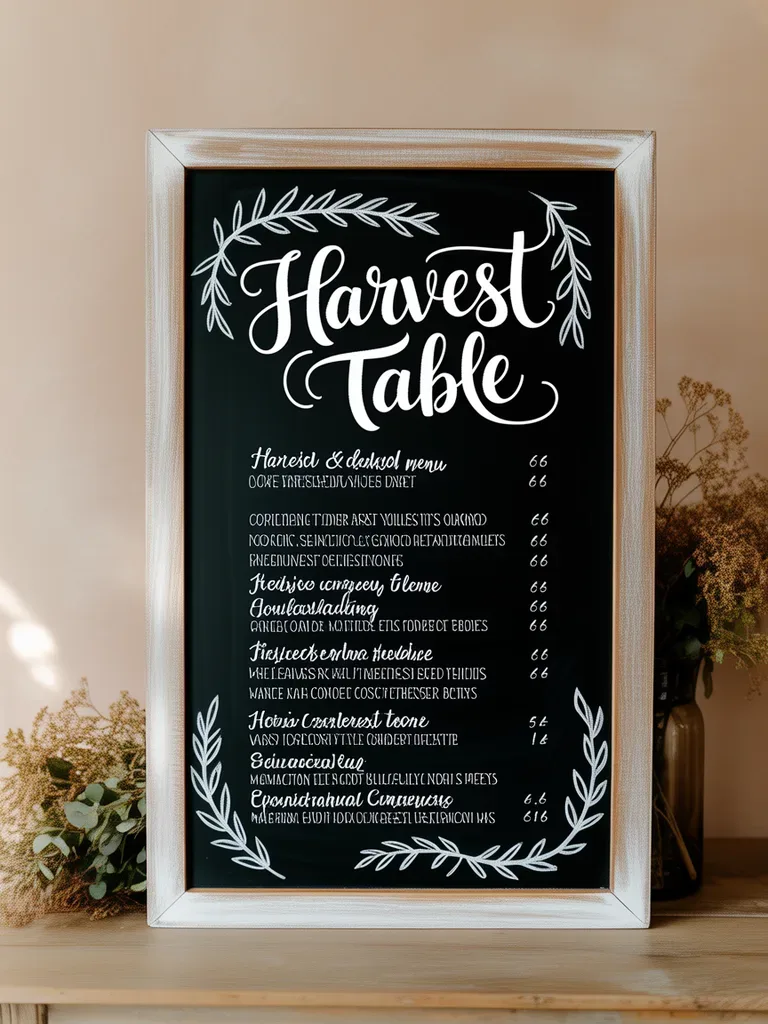
Prompt used: "Hand-lettered chalkboard menu titled 'HARVEST TABLE' with botanical flourishes, warm-neutral palette, soft diffused lighting, cohesive minimal background, premium editorial composition" — generated with Ideogram V3 Turbo on Lovino.
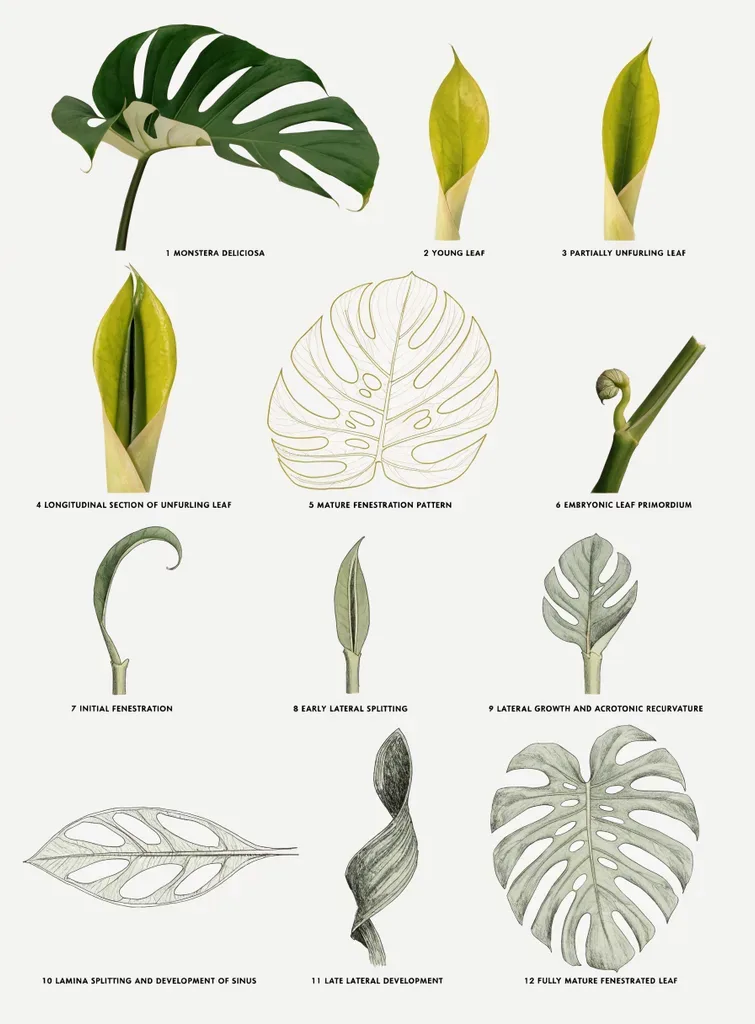
Prompt used: "Scientific botanical illustration plate of a monstera plant with labeled leaf stages, warm-neutral palette, soft diffused lighting, cohesive minimal background, premium editorial composition" — generated with Recraft V4 on Lovino.
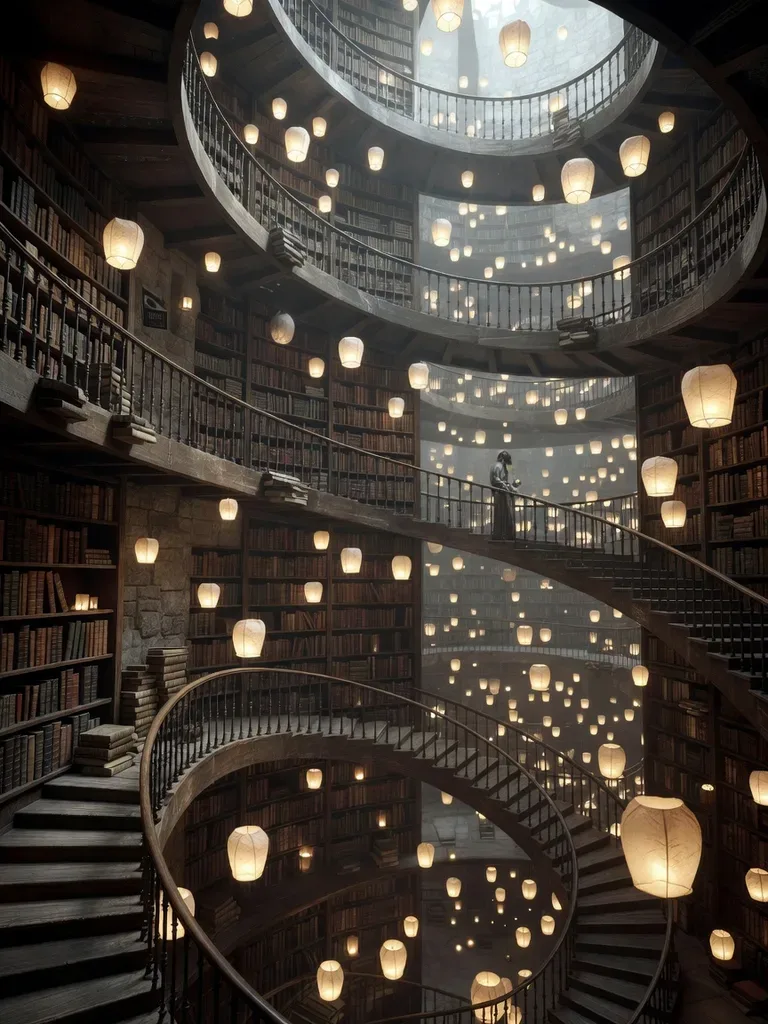
Prompt used: "Endless spiral library interior with floating lanterns, impossible architecture, cinematic warm-neutral color grade, soft directional key light, 35mm lens, shallow depth of field, natural skin tones, subtle film grain" — generated with Grok Imagine on Lovino.
Choosing the Right Model for Your Use Case
Portrait photography and headshots: Flux Pro or Flux Dev for maximum realism
Concept art and illustration: Midjourney or Flux with strong style prompting
Product photography: Flux for photorealistic product renders
Artistic and painterly content: Midjourney or SDXL with appropriate style prompts
Fast iteration and exploration: a fast Flux model (Schnell upstream, FLUX Fast on Lovino) or SDXL for quick concept testing
Text in images: GPT Image 2 or Ideogram, which lead on accurate lettering (Flux has improved a lot but sits slightly behind)
Maximum community resources and fine-tunes: Stable Diffusion ecosystem for the widest range of specialized model variants
On Lovino you pick the model yourself from a list in Studio, and each model shows its credit cost. Not sure which to pick? Iris, Lovino's creative agent, can choose for you. Our Flux vs DALL·E vs Stable Diffusion and GPT Image 2 vs DALL·E 3 comparisons go deeper on the common choices.
Start generating with Flux on Lovino →
The Model Landscape Is Evolving Rapidly
AI image generation models improve rapidly — the models considered state-of-the-art today may be superseded within months. New architectures, improved training approaches, and competition between open-source and proprietary models drives consistent quality improvements.
The practical implication: platforms that stay current with model updates (like Lovino, which adds new models as they become available) tend to offer better generation quality than platforms locked into older model versions. For the wider picture, read the state of AI image generation in 2026, and for the model behind many of these images, What Is Flux?.
Understanding the model landscape helps you evaluate platforms, interpret quality differences, and set appropriate expectations for different types of generation tasks.